Want more kilometres from every charge? Here are 5 proven, practical tips to get the best real-world range from your electric vehicle, based on how driving habits actually affect efficiency
Two people driving the exact same EV, on the exact same day, can see a 20–30% difference in range purely based on how they drive. That's a genuinely significant gap, and the encouraging news is that closing it doesn't require sacrificing anything. It just means understanding a handful of simple habits that make a real difference.
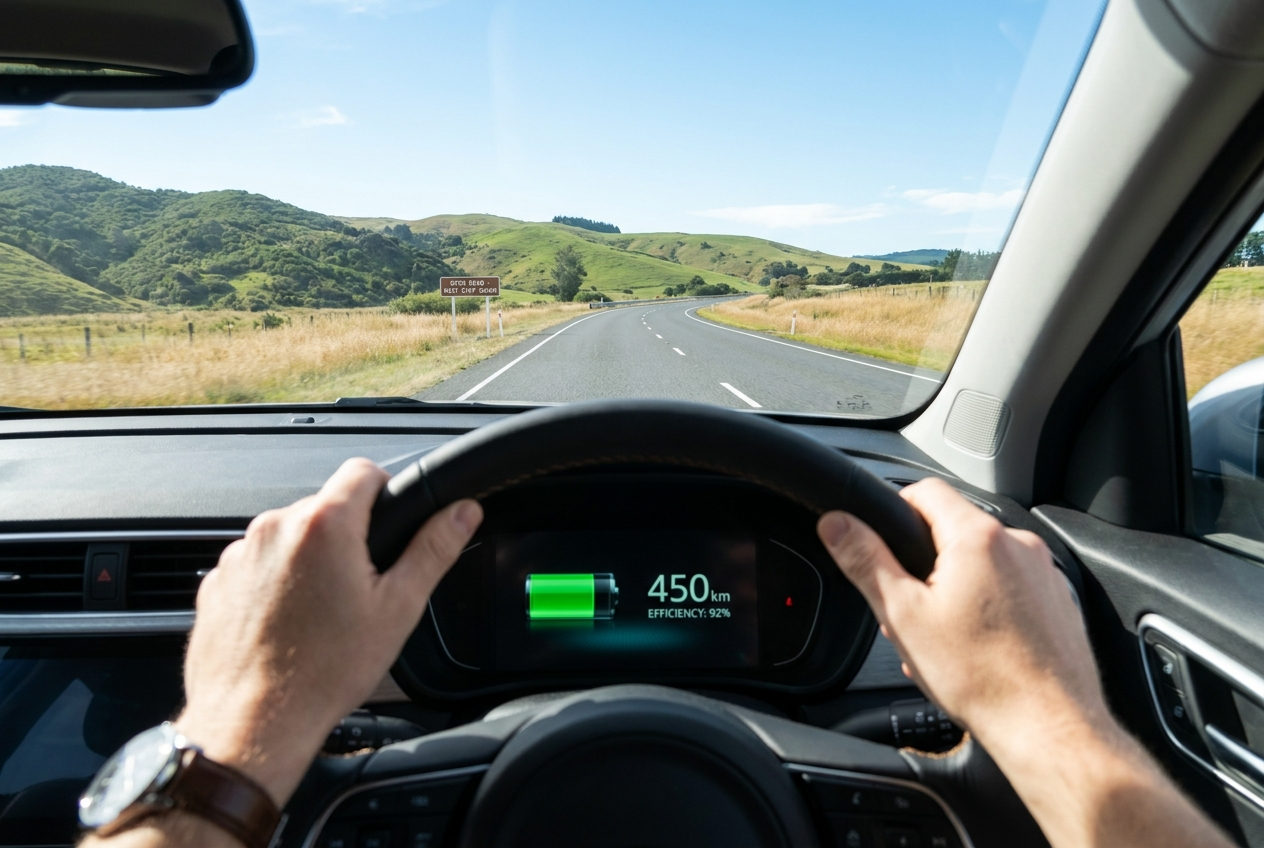
Here are five proven, practical tips for getting the most range out of every charge.
1. Drive smoothly — acceleration matters more than top speed
Because electric motors deliver maximum torque instantly, it's tempting to enjoy that quick getaway off the line every time the lights turn green. But hard acceleration pulls a large amount of energy from the battery in a short burst, and it's one of the biggest avoidable range killers in everyday EV driving.
Smooth, gradual acceleration, rather than flooring it from a standstill, can improve efficiency by 10–15% in typical city driving. The same principle applies to braking: smooth, gradual deceleration lets your regenerative braking system capture more energy back into the battery than hard, late braking does.
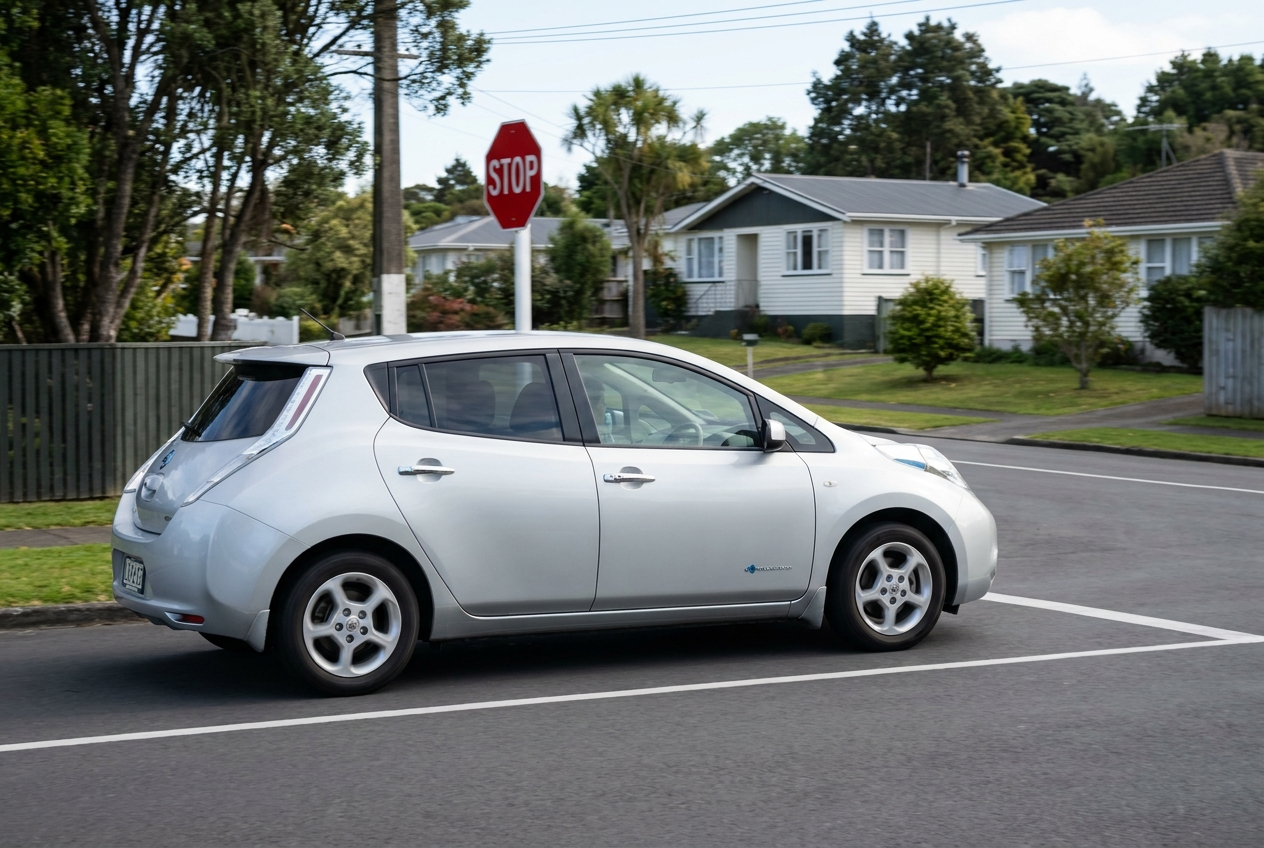
The practical habit: ease into the accelerator rather than mashing it, anticipate stops earlier so you can brake gently, and resist the urge to use every bit of instant torque your EV has on tap. None of this means driving slowly or timidly, it just means driving with a bit more anticipation and a lighter foot.
2. Watch your motorway speed — it matters more than almost anything else
Aerodynamic drag increases with the square of your speed, which means the energy cost of going faster rises sharply, not gradually. On many EVs, dropping your motorway cruising speed by just 10km/h can noticeably extend your range, often more than any other single change you can make.
This is the most counterintuitive tip on this list, because it doesn't feel like it should matter that much. But on a long flat motorway stretch, where there's minimal opportunity for regenerative braking to help you anyway, your speed is doing almost all of the work in determining how far you'll get.
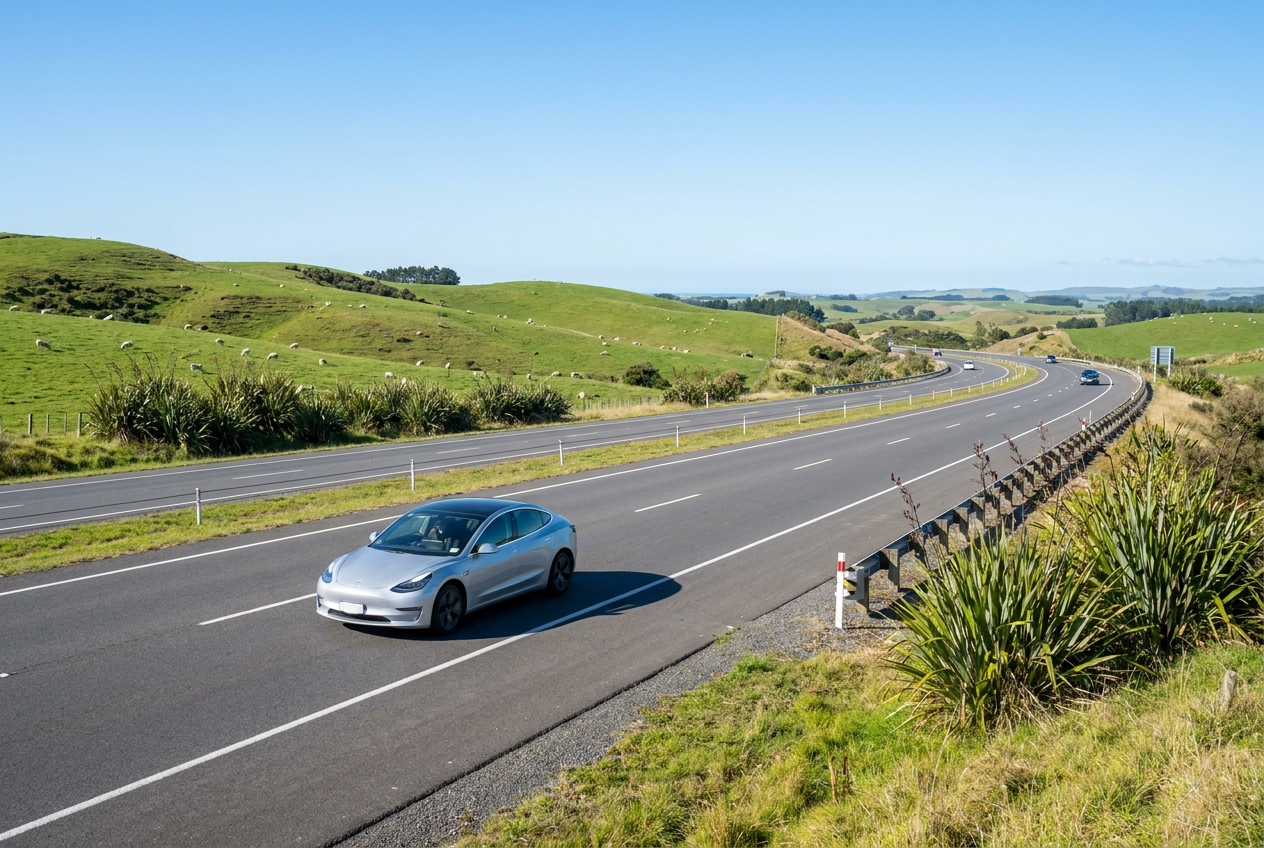
The practical habit: if you're not in a rush and range matters for the trip, particularly nearing the end of your battery, or on a long unfamiliar stretch without charging options, easing back from 110km/h to 100km/h, or 100km/h to 90km/h, can buy you meaningfully more range. A small speed reduction often saves more time overall than stopping for an extra charging session would.
3. Precondition your cabin and battery while still plugged in
Heating or cooling your car's interior, and on some models, the battery itself, draws a significant amount of energy. Do it while you're still plugged in at home, and that energy comes from the grid, not your battery. Wait until you're already driving, and every bit of that climate control comes directly out of your range.
Most modern EVs let you schedule preconditioning through an app or the car's own systems, so the cabin is at a comfortable temperature exactly when you're ready to leave, without ever touching your driving range.
This matters most in winter, when battery efficiency naturally drops in cold weather and heating demand is highest, but it's worth doing year-round. In summer, the same principle applies to pre-cooling the cabin before a hot drive.
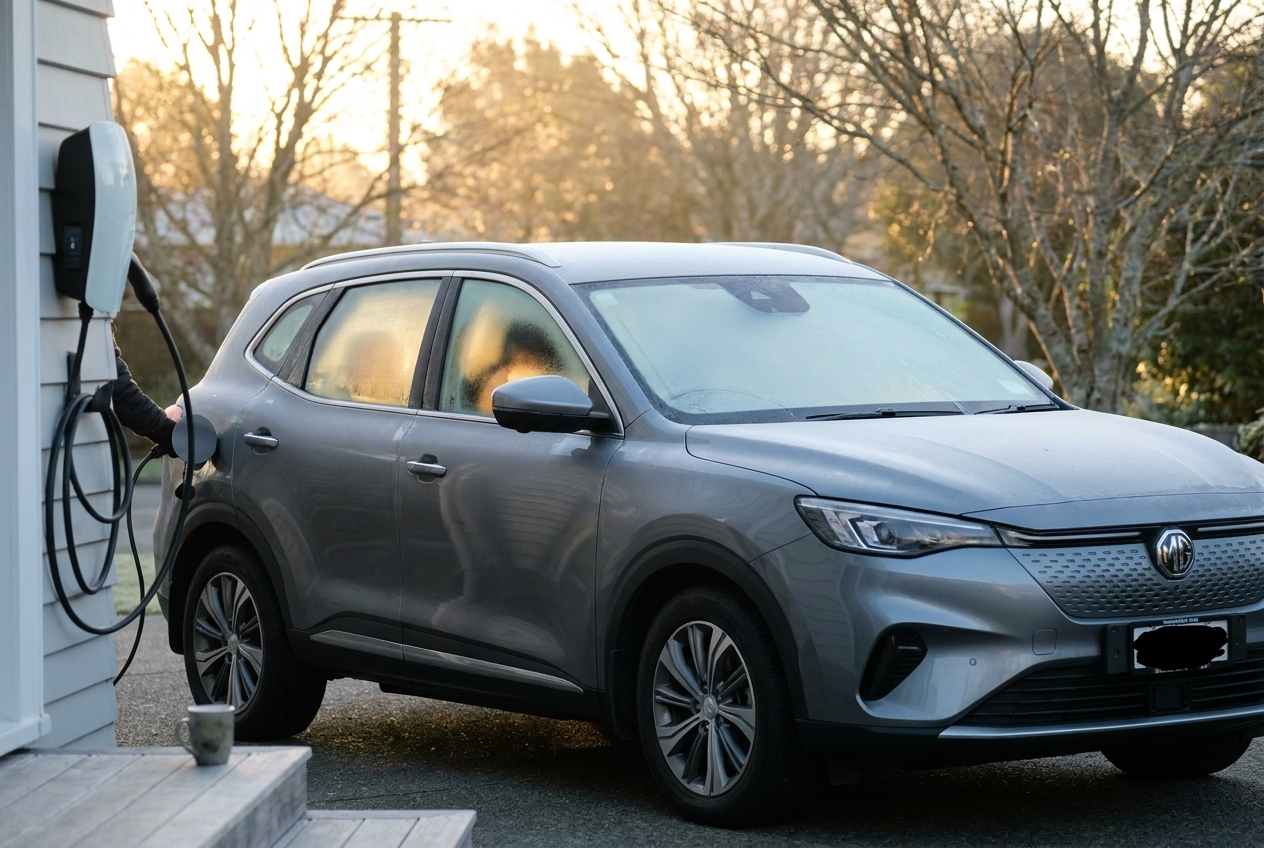
The practical habit: set a departure time in your EV's app and let it precondition while still on the charger. If your model supports it, use seat heaters and a heated steering wheel rather than blasting cabin heat, they warm you directly with far less energy draw than heating the whole interior.
4. Keep your tyres properly inflated
This is the simplest tip on this list, and one of the most commonly overlooked. Underinflated tyres increase rolling resistance, meaning your motor has to work harder to move the car at the same speed, which can reduce your range by 5–10%. That's a meaningful loss for something that costs nothing to fix.
EV tyres also tend to wear a little differently than petrol car tyres, given the extra vehicle weight and instant torque delivery, so checking pressure regularly does double duty: it protects your range and extends the life of your tyres at the same time.
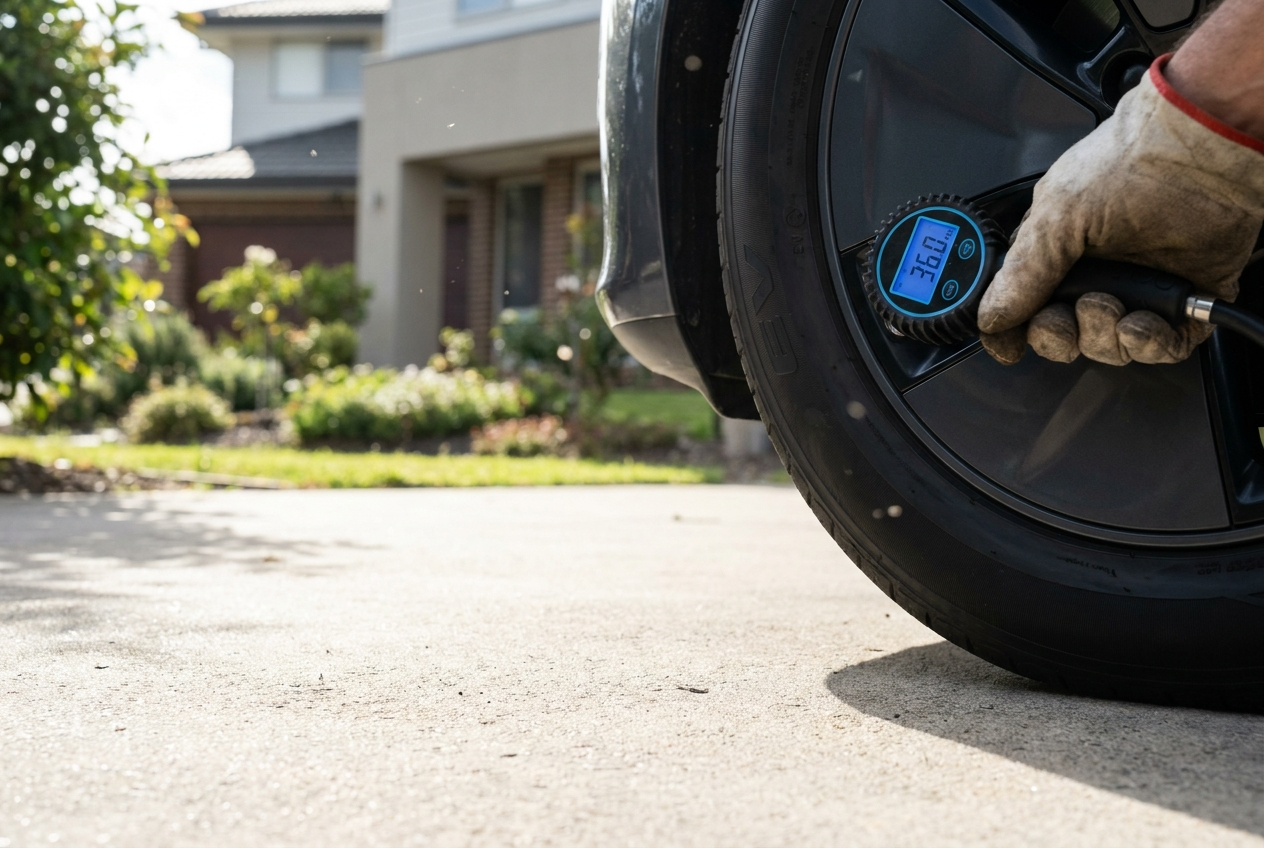
The practical habit: check tyre pressure at least monthly, and always when tyres are cold (the vehicle hasn't been driven for a couple of hours). Use the recommended pressure listed on your driver's door placard, not a number you're guessing at. Many EVs display live tyre pressure readings on the dashboard via the tyre pressure monitoring system, so there's often no excuse not to check.
5. Make smart use of regenerative braking — and plan your route with range in mind
Regenerative braking captures energy as you slow down that would otherwise be lost as heat through your friction brakes, but only if you actually use it well. Anticipating stops early and easing off the accelerator gradually, rather than coasting at speed and braking hard at the last moment, gives the system more opportunity to recover energy efficiently.
Many EVs let you adjust the strength of regenerative braking, from a light touch to a strong one-pedal-driving feel. Experiment with what suits your driving style, stronger regen settings tend to recover more energy in stop-start city traffic, where there's plenty of slowing down to capture energy from.
Beyond driving technique, route planning itself plays a role. Hilly terrain with long descents gives regenerative braking plenty to work with on the way down, partially offsetting the extra energy used climbing. Long, flat stretches offer little opportunity for regen either way, which is exactly where tip #2 (watching your speed) matters most.
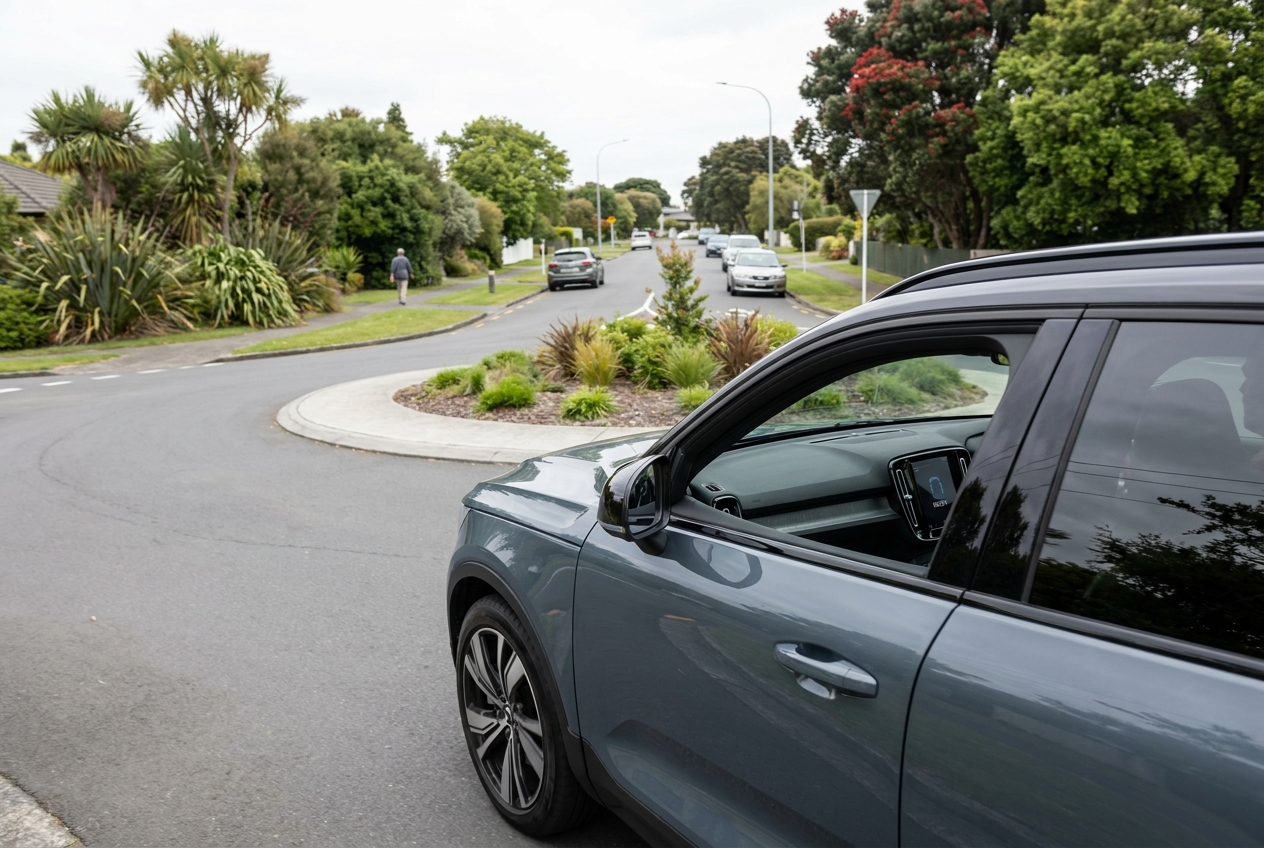
The practical habit: ease off early rather than relying on hard, late braking. If your EV offers adjustable regen levels, try a stronger setting for city and suburban driving, and consider easing it back for relaxed motorway cruising where there's little to recover from anyway.
A quick note on weather
It's worth being realistic about one factor that's largely outside your control: temperature. Cold weather can reduce real-world range by 15–25% compared to mild conditions, partly because battery chemistry is genuinely less efficient when cold, and partly because cabin heating draws additional energy. None of the five tips above will fully offset a genuinely cold day, but preconditioning while plugged in (tip #3) makes the biggest dent in that gap, and it's worth leaning into during winter months especially.
Putting it all together
None of these five tips require sacrificing how you actually want to drive or live, they're small, repeatable habits that add up. Drivers who adopt them consistently often find they're getting noticeably more real-world range than the same vehicle delivers with careless habits, without feeling like they've changed anything dramatic about how they drive.
Range anxiety, for most people, fades fast once a few of these habits become second nature, and once you've done a longer trip or two and seen how predictable your EV's real-world range actually is.
Quick reference summary
- Drive smoothly — gentle acceleration and braking can improve efficiency by 10–15% in the city
- Watch your motorway speed — even a 10km/h reduction can meaningfully extend range
- Precondition while plugged in — heat or cool the cabin using grid power, not your battery
- Keep tyres properly inflated — underinflation can cost you 5–10% of your range for free to fix
- Use regenerative braking well — ease off early and let the system recover energy efficiently

Want to know more about how regenerative braking actually works, or how to get the best charging setup for your situation? Check out our other guides, or get in touch with our team if you have questions about your specific EV.
Disclaimer
The content in this post is based on our own research, experience, and opinion and is intended for general informational purposes only. It does not constitute professional technical advice. While we strive for accuracy, the specific efficiency improvements and range figures referenced can vary significantly between vehicle makes, models, driving conditions, and individual driving styles. We encourage readers to conduct their own research and consult their vehicle's manufacturer documentation for model-specific guidance.
Target keywords: how to maximise EV range, get more range electric car NZ, EV range tips, electric car efficiency tips New Zealand
Last updated: June 2026