What does Level 2 autonomous driving actually mean, and how is it different from Level 3 or Level 4? Here's a plain-English guide to the six SAE levels of driving automation and where we actually are
When someone asks whether their car is "self-driving," the honest answer depends entirely on what level of automation it has. A Tesla using Autopilot and a Waymo robotaxi both involve computers doing some of the driving, but they operate at fundamentally different levels of autonomy, with completely different rules about who's responsible if something goes wrong.
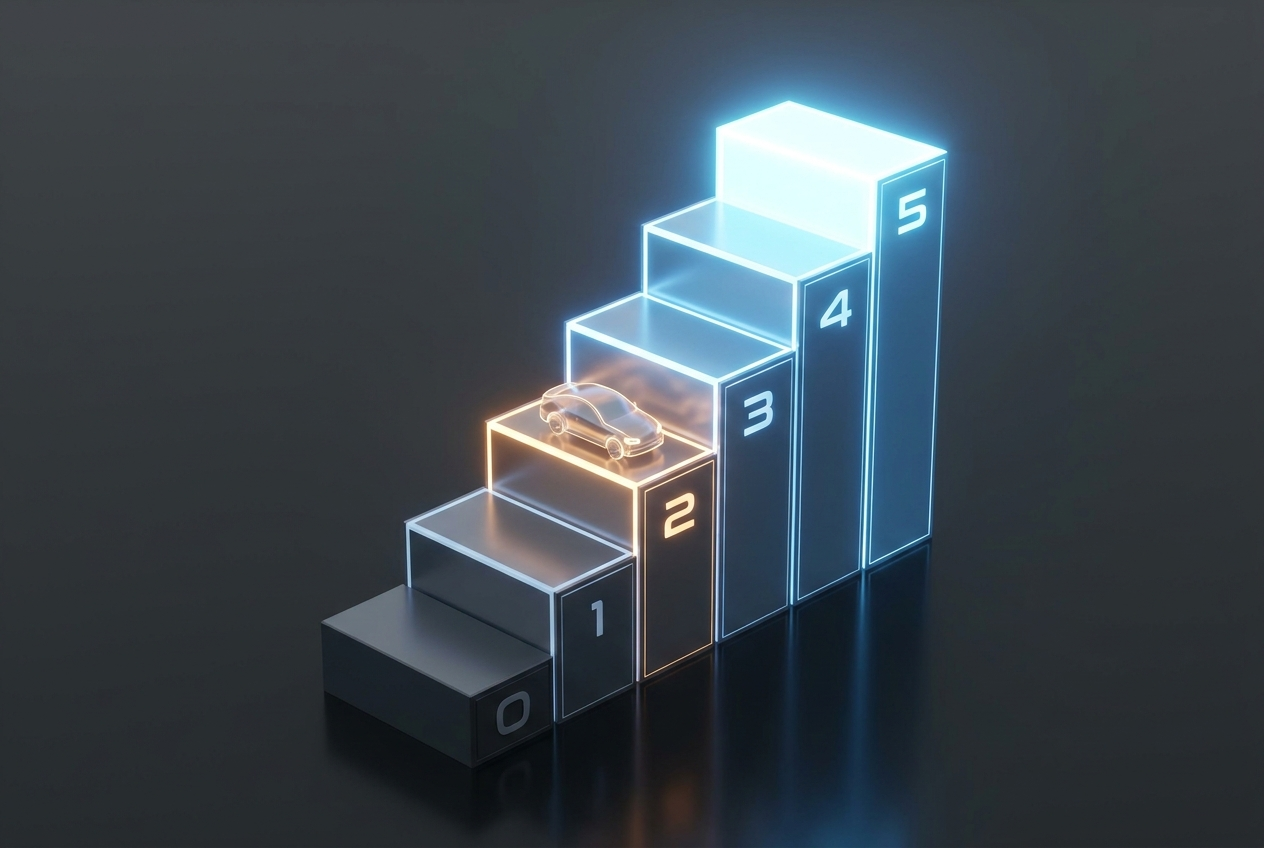
The automotive industry uses a standardised framework, the SAE International levels of driving automation, from Level 0 to Level 5, to classify exactly how autonomous any given vehicle or system is. Understanding these levels is the clearest way to cut through the marketing language and understand what any driver assistance or self-driving feature actually does.
Why the levels matter
The SAE J3016 standard, first published in 2014 and updated since, is the global benchmark for classifying vehicle automation. It's been adopted by regulators, insurers, and governments worldwide, including forming the backbone of the UK's Automated Vehicles Act 2024, precisely because it draws a clear line between systems that assist drivers and systems that replace them.
That line matters enormously for liability. At Level 2 and below, the driver is always legally responsible, the car is a tool, and the person using it is accountable for the outcome. At Level 3 and above, the automated system takes on more of that responsibility, and the legal and insurance frameworks are only beginning to catch up with what that means in practice.
Level 0 — No automation
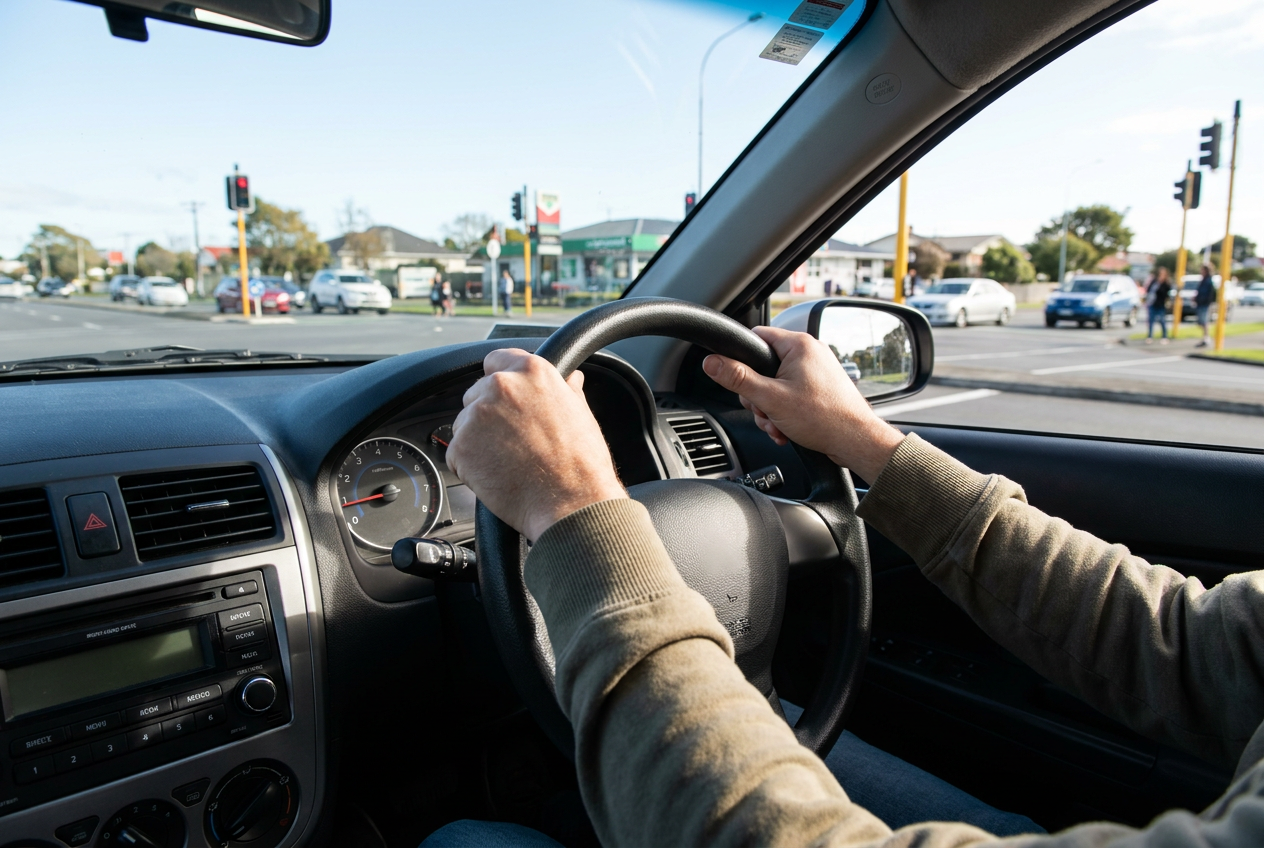
At Level 0, the human driver controls everything: steering, braking, acceleration, and all decisions. The car may offer warning systems, forward collision alerts, blind spot warnings, lane departure alerts, but these only inform the driver. They don't act on the vehicle's controls. If the car beeps to warn you, but you steer and brake, that's Level 0.
Most vehicles on the road in New Zealand today that were built before 2015 sit here.
Examples: Standard cruise control, collision warning chimes, parking sensors that beep but don't brake.
Level 1 — Driver assistance
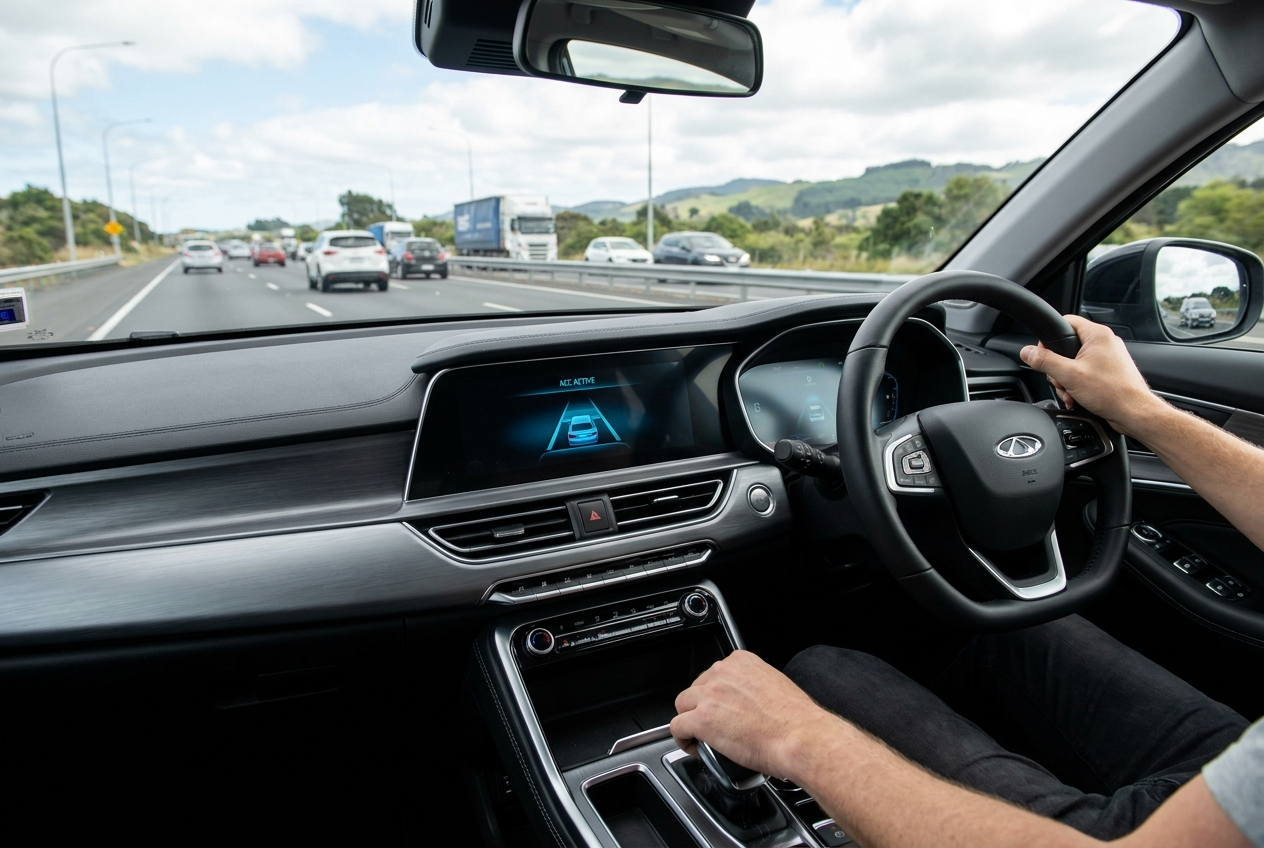
At Level 1, the system takes control of a single function, either steering or speed, but not both at the same time. The driver handles everything else and must remain fully attentive.
Adaptive cruise control that automatically adjusts speed to maintain a following distance from the car ahead is a Level 1 feature. Lane keep assist that applies gentle corrective steering to prevent you from drifting is Level 1. Crucially, either one alone, not both simultaneously, defines this level.
Examples: Adaptive Cruise Control (ACC) alone. Lane Keep Assist (LKA) alone. Most cars sold in NZ from 2018 onwards have at least Level 1 features.
Level 2 — Partial automation
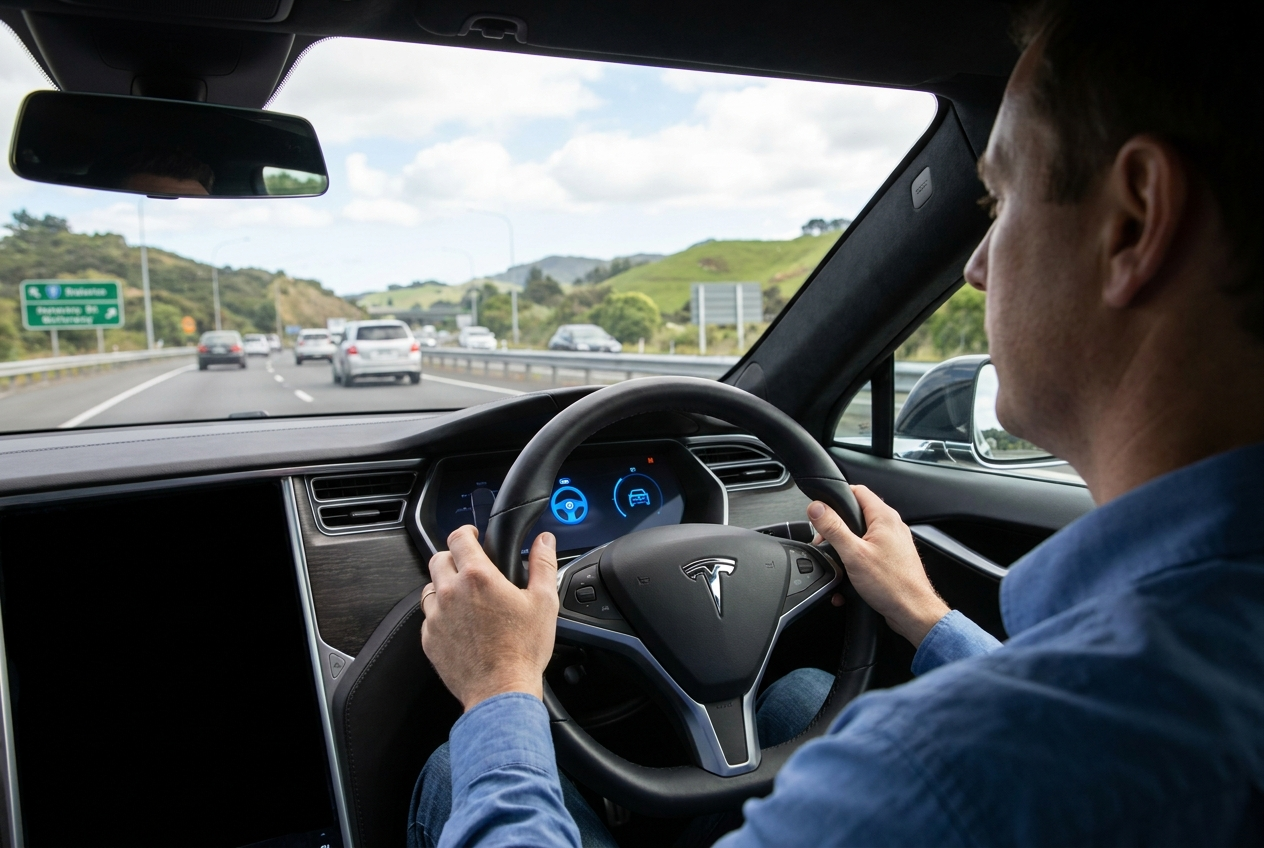
Level 2 is where most modern vehicles with meaningful driver assistance technology sit in 2026. At Level 2, the system controls both steering and speed simultaneously, but the driver must remain attentive, monitor the road at all times, and be ready to take over immediately.
The key phrase is "hands on or near the wheel." Most Level 2 systems will disengage or issue warnings if hands are not detected on the steering wheel for more than a short period. The driver is still fully responsible for the vehicle's safe operation.
Tesla Autopilot, GM Super Cruise, Ford BlueCruise, and Hyundai Highway Driving Assist 2 are all classified as Level 2 systems in 2026. Despite the impressive-sounding names, the driver remains legally responsible at all times while using any of these.
What Level 2 can do: Maintain lane position while matching speed to traffic ahead. Handle stop-and-go motorway traffic. Suggest and execute lane changes with driver confirmation.
What Level 2 cannot do: Monitor the road on the driver's behalf. Make decisions in complex or novel situations independently. Relieve the driver of legal responsibility.
Examples in NZ vehicles: Tesla Autopilot (standard on all Tesla), Hyundai Highway Driving Assist, VW Travel Assist (in ID.4, ID.5), Honda Sensing.
Level 2+ — The unofficial middle ground
While not an official SAE designation, the industry widely uses "Level 2+" and "Level 2++" to describe advanced systems that push the boundary of what Level 2 can do, adding features like automated lane changes, highway on/off ramp navigation, and urban driving assistance while the driver remains legally responsible at all times.
Tesla's Full Self-Driving (Supervised) sits in this territory, capable of navigating city streets, roundabouts, and intersections under supervision, but officially and legally still a Level 2 system where the driver is responsible. More on this in our dedicated Tesla FSD guide.
Level 3 — Conditional automation
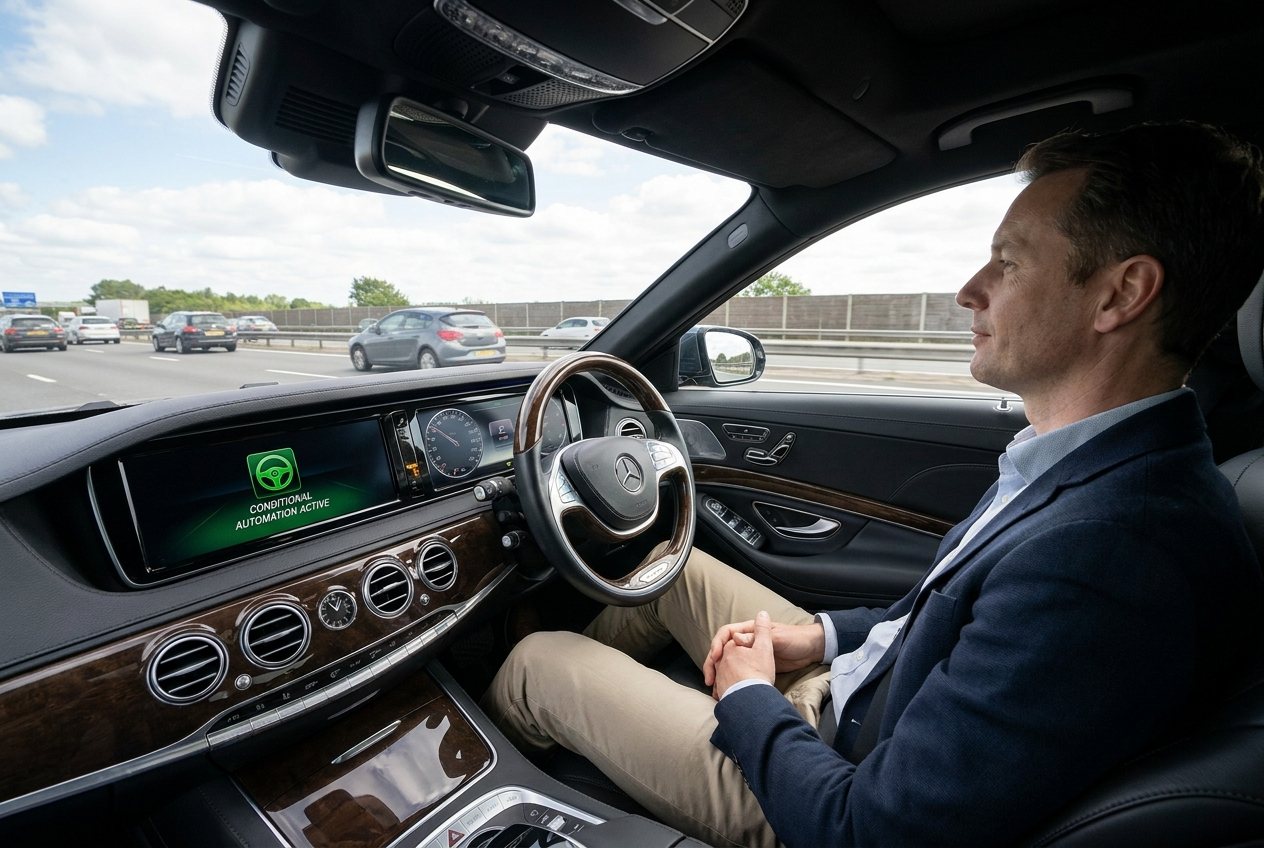
Level 3 is where the fundamental shift in responsibility begins. At Level 3, the automated driving system handles all aspects of driving within defined conditions, typically on certain road types (motorways, divided highways) and at certain speeds. The critical difference from Level 2: the driver does not need to monitor the driving environment while the system is active.
However, the driver must be ready to respond to a takeover request within a reasonable time window, typically several seconds, when the system reaches the limits of its capabilities and asks the human to resume control.
There is currently only one vehicle sold to the public that possesses Level 3 autonomy, the Mercedes-Benz EQS, and stipulations apply. Mercedes-Benz's Drive Pilot system is approved for use on specific German autobahn sections and in certain US states, at speeds up to 60km/h. Outside those conditions, the system hands back to the driver.
The liability implications of Level 3 are significant and still evolving. If a collision occurs while the Level 3 system is actively driving and the driver is not required to be monitoring, liability may shift toward the vehicle manufacturer, a major departure from how motor insurance has historically worked.
In NZ: No Level 3 systems are currently approved for use on New Zealand roads. The regulatory framework for Level 3 operation has not yet been established here.
Level 4 — High automation
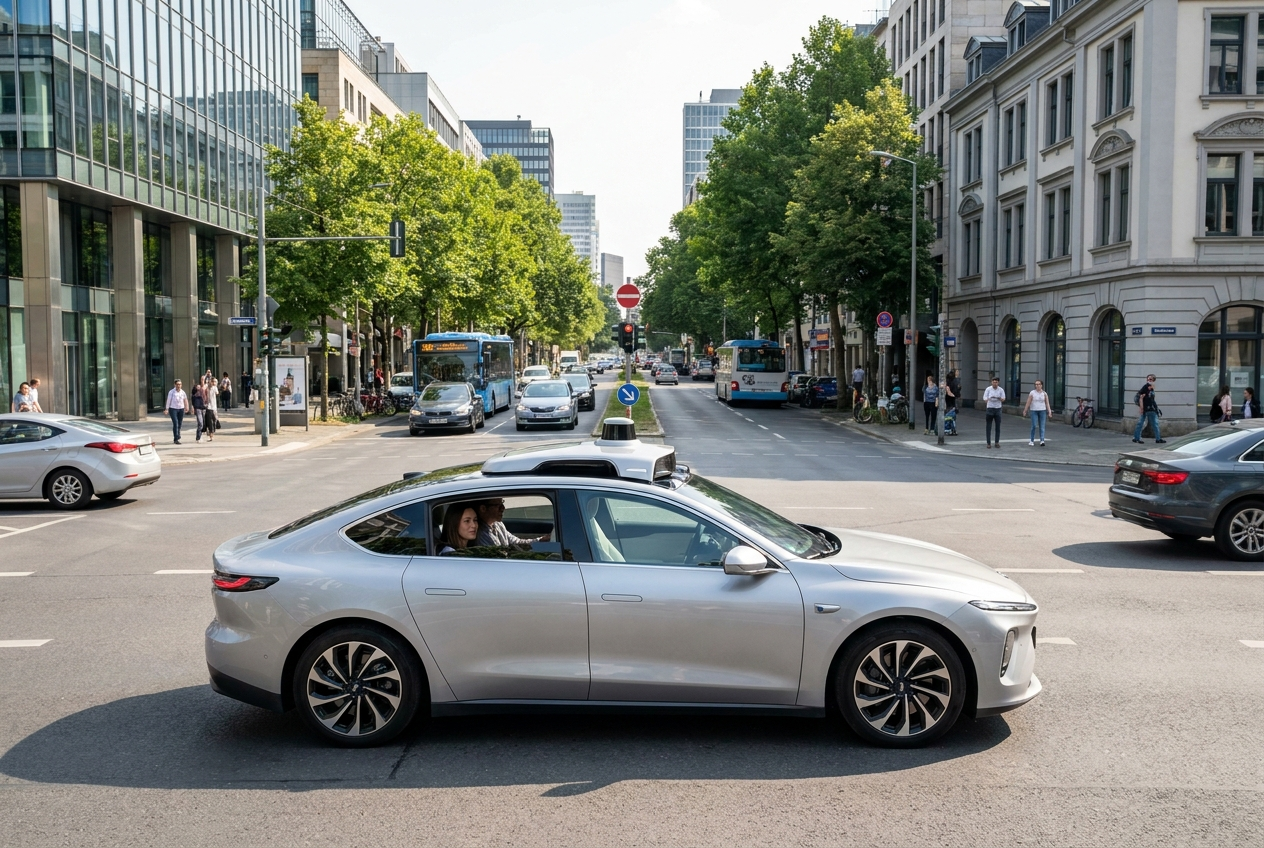
At Level 4, the vehicle can drive itself completely within a defined operational domain, specific geographic areas, road types, or conditions, without any need for human intervention or attention. If the system reaches a situation it cannot handle, it will safely bring the vehicle to a stop rather than handing control back to an inattentive human.
Level 4 high driving automation is particularly well-suited for driverless taxis and buses on designated routes, trucks transporting goods within specific geographic boundaries, and airport shuttles.
Waymo, the Alphabet-owned robotaxi service, operates Level 4 vehicles in Phoenix, San Francisco, Los Angeles, Austin, and several other US cities, without a safety driver on board. Tesla has also launched a limited Robotaxi service in Austin using Level 4 operation in a defined geographic area, currently operating 22 fully driverless cars.
Important limitation: Level 4 systems are geofenced. They operate within pre-mapped, carefully defined areas and conditions, not everywhere, in all weather, on all road types. Level 4 outside its operational domain reverts to Level 3 or lower.
In NZ: No Level 4 systems are commercially available to the public. NZTA is monitoring international regulatory developments but has not yet established a framework for Level 4 operation on NZ roads.
Level 5 — Full automation
Level 5 is the theoretical endpoint, a vehicle that can drive itself anywhere, in any conditions, on any road type, without any human input or attention. No steering wheel, no pedals, no driver. You get in, state a destination, and the vehicle handles everything.
No Level 5 vehicles exist today. Fully autonomous cars are undergoing testing in several pockets of the world, but none are yet available to the general public.</cite> Most experts believe true Level 5 autonomy, in all weather, on all road types, in all driving environments, remains a decade or more away, and some question whether the final edge cases will ever be fully solved.
Where we actually are in 2026
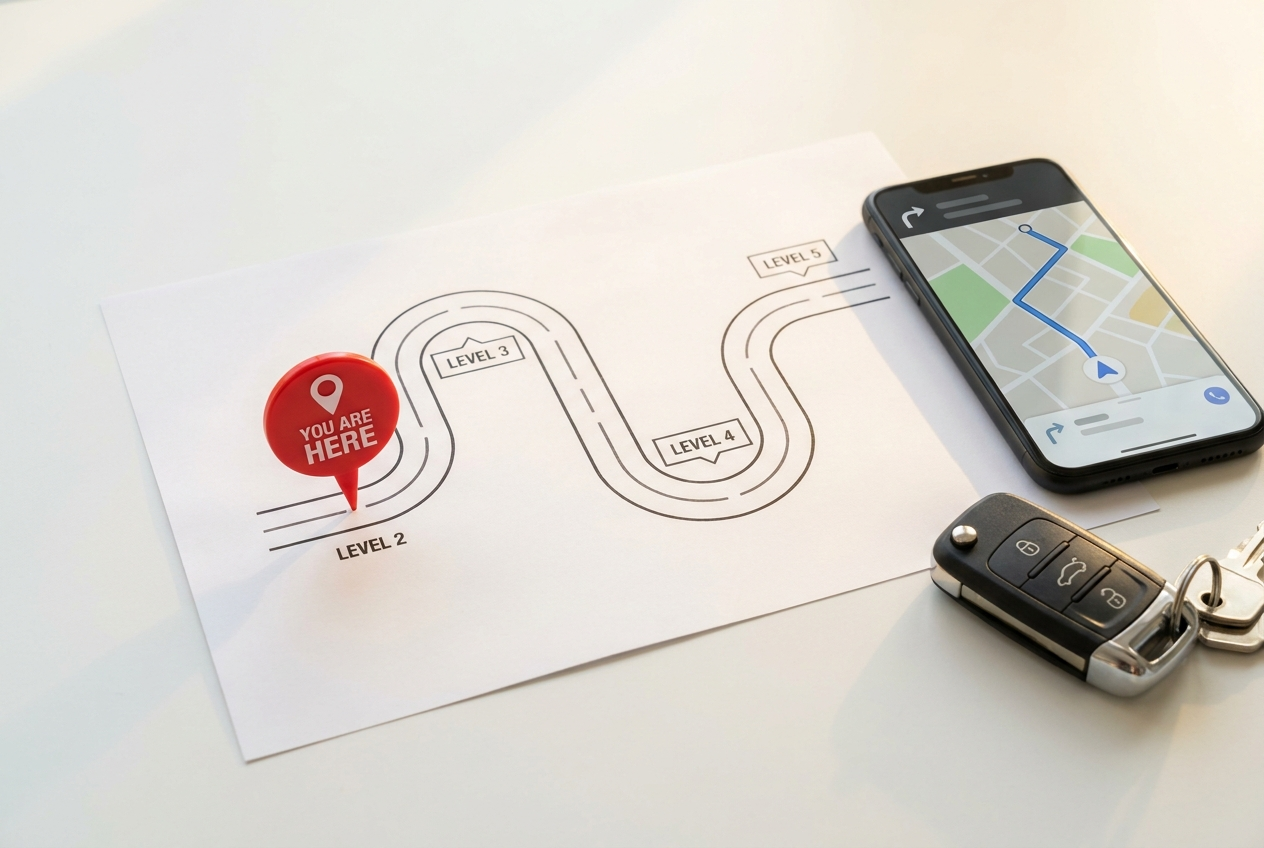
The honest picture in mid-2026:
Level 0–2: Mainstream. Most new vehicles include some Level 1 or Level 2 features. Level 2 is the standard for any vehicle marketed as having meaningful driver assistance technology.
Level 3: Commercially available in very limited form (Mercedes Drive Pilot in specific markets). Not available in New Zealand. Regulatory frameworks are developing slowly.
Level 4: Operating in limited commercial robotaxi deployments in select US and Chinese cities. Not available to the public in New Zealand. Waymo and Tesla Robotaxi are the leading examples.
Level 5: Does not exist. No timeline for when it will.
The most important practical takeaway for any driver in 2026: if your car has a Level 2 system engaged, you are still the driver. The system is a sophisticated assistant, not a replacement. Treating it as anything more is both unsafe and, in New Zealand, your legal liability.
What this means when buying a used EV
When a used EV listing mentions features like "Autopilot," "Full Self-Driving," "Highway Driving Assist," or "Travel Assist," these are all Level 2 systems, impressive and genuinely useful, but not autonomous driving in the way the marketing language sometimes implies.
What they do: reduce fatigue on long motorway drives, help maintain safe following distances in traffic, assist with lane keeping.
What they don't do: allow you to stop paying attention, take legal responsibility for the vehicle's actions, or operate safely without a fully attentive driver ready to take over.
Read our separate guide on Tesla Full Self-Driving specifically, it's the most advanced Level 2+ system available in New Zealand and deserves its own detailed explanation.
Disclaimer
The content in this post is based on our own research, experience, and publicly available information and is intended for general informational purposes only. Autonomous driving regulations, system capabilities, and legal frameworks are evolving rapidly and vary by jurisdiction. Always refer to your vehicle's owner's manual and comply with New Zealand traffic law when using any driver assistance feature.
Target keywords: autonomous driving levels explained, SAE levels of driving automation, self-driving car levels NZ, what is Level 2 autonomous driving
Last updated: June 2026