Regenerative braking sounds technical but it's a simple idea, your EV's motor turns into a generator when you slow down. Here's exactly how it works and why it matters
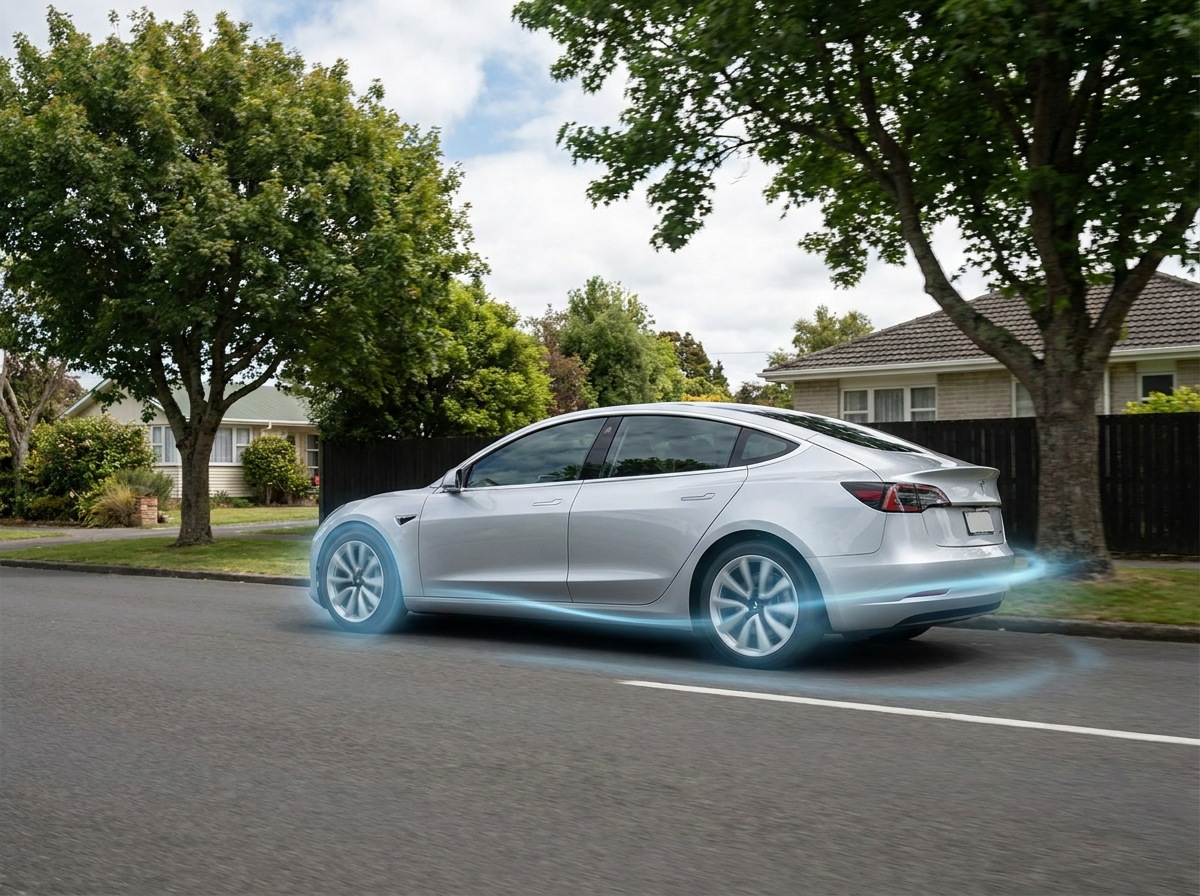
| If you've ever driven an EV and noticed the car seems to slow down on its own the moment you lift your foot off the accelerator, you've just experienced regenerative braking. It's one of the defining features of electric vehicles, and once you understand how it works, it becomes one of the most genuinely useful things about driving electric. |
 |
The simple explanation
In a conventional petrol or diesel car, when you press the brake pedal, hydraulic fluid pushes brake pads against discs (or drums on older vehicles). Friction between the pads and discs slows the car down, but that friction generates heat, and all the kinetic energy the car had built up simply disappears as wasted heat into the air.
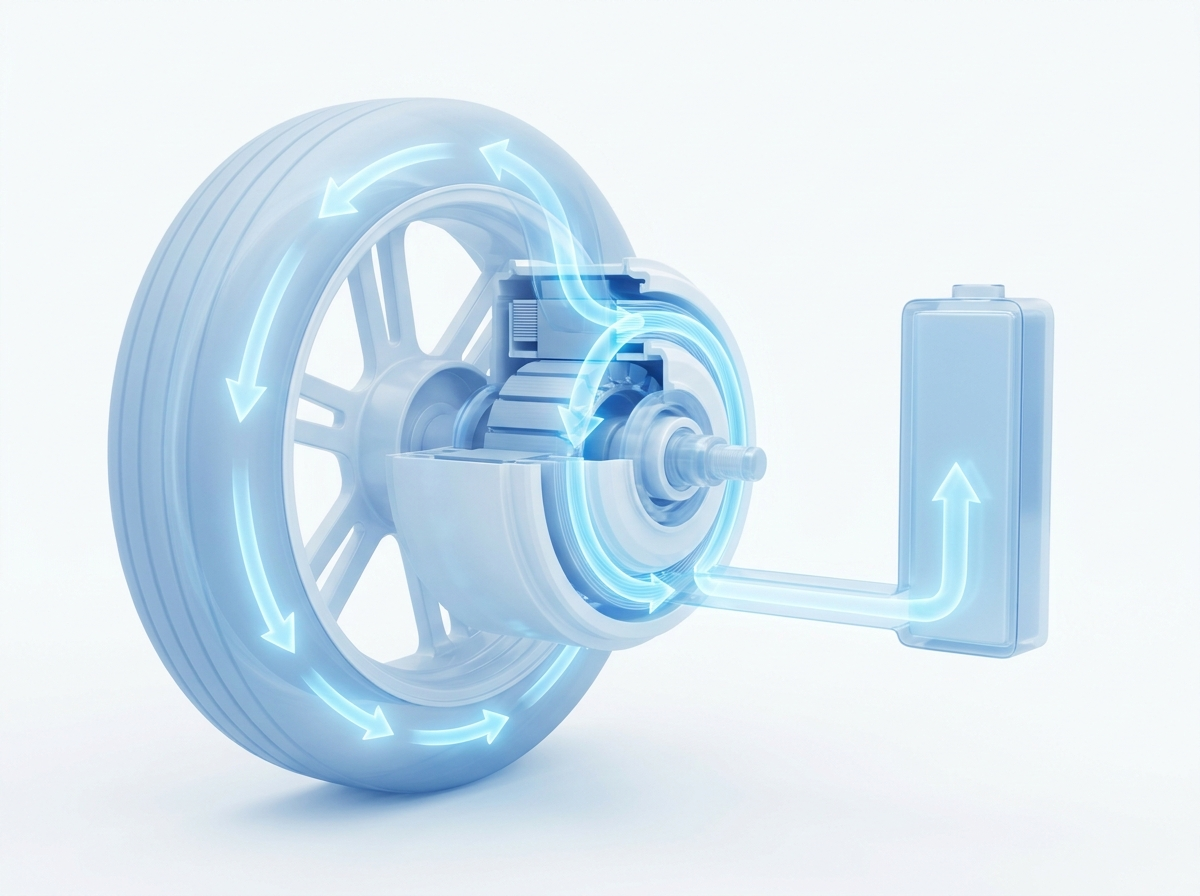
Regenerative braking takes a fundamentally different approach. Instead of converting your car's motion into wasted heat, it converts it back into electricity and stores it in the battery. Your car's electric motor, the same one that normally uses electricity to drive the wheels, runs in reverse. The wheels turn the motor, and the motor acts as a generator, producing electricity that flows back into the battery instead of out of it.
It's a genuinely elegant piece of engineering: rather than throwing away energy every time you slow down, your EV banks some of it for later.
How it actually works, step by step
|
1. You lift off the accelerator, or apply the brake. The car's control system detects that you want to slow down.
2. The electric motor switches roles. Normally, the motor draws electricity from the battery to spin the wheels. During regenerative braking, this reverses, the wheels (driven by the car's own momentum) spin the motor instead.
3. The motor becomes a generator. A spinning electric motor naturally generates electrical current when no power is being fed into it, this is simply how electric motors work in reverse. The car's system captures this current.
4. Electricity flows back to the battery. That generated current is fed back into the battery pack, topping up your charge slightly with energy that would otherwise have been lost entirely.
5. The motor's resistance slows the car. As the motor generates electricity, it creates resistance against the wheels turning it, and that resistance is what you feel as the car decelerating. Press the brake pedal harder, and the system increases that resistance further, generating more current and slowing you down faster.
|
 |
What it actually feels like to drive
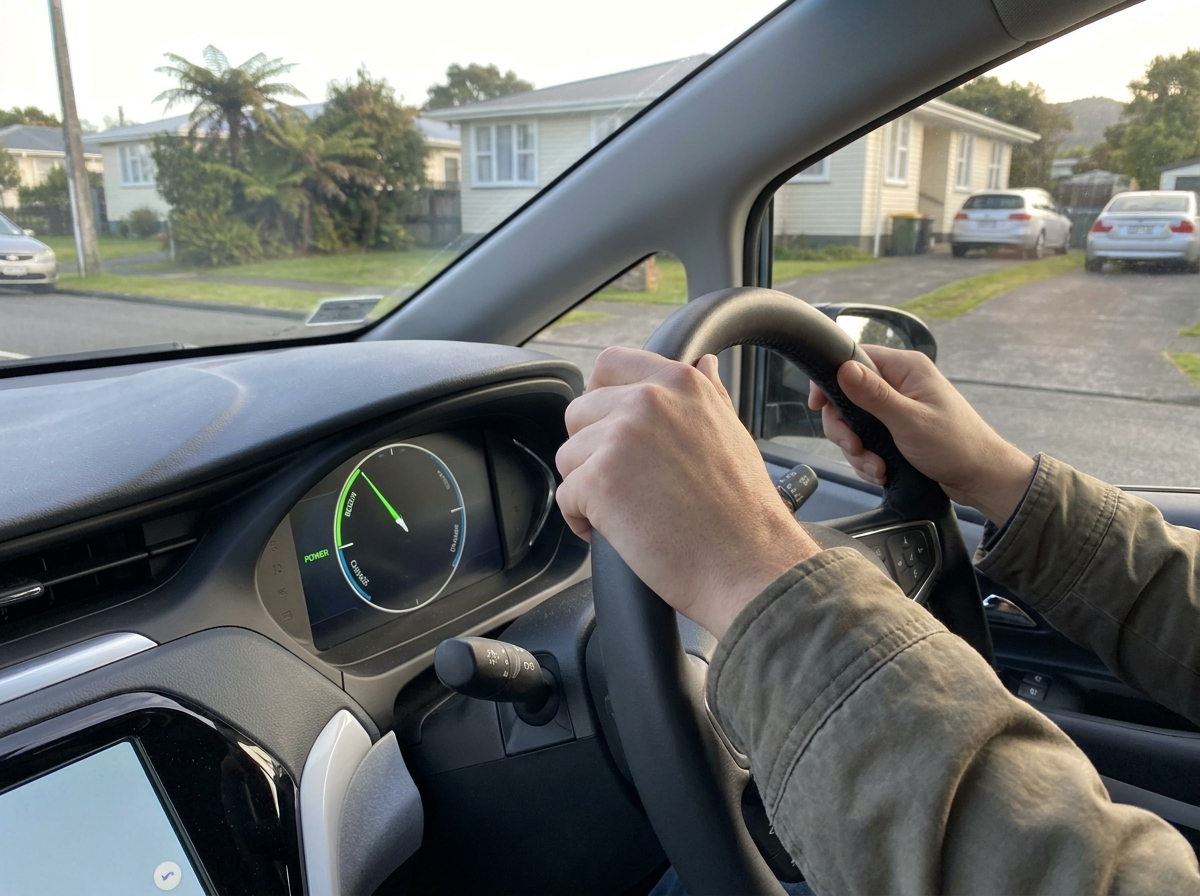
Most drivers describe regenerative braking as similar to engine braking in a manual petrol car, that familiar sensation of the car slowing down when you lift off the accelerator, even before you touch the brake pedal at all.
| Many EVs let you adjust how strong this effect feels, often with selectable levels from light to aggressive, and some allow you to switch it off entirely if you'd prefer a more conventional coasting feel. Some EVs go further with what's commonly called "one-pedal driving", where lifting off the accelerator alone is enough to bring the car to a complete stop in most situations, without ever touching the brake pedal. |
 |
It takes a short adjustment period if you've only ever driven petrol cars, but most people find it becomes second nature within a few drives, and many EV owners come to prefer it.
Why it matters: the real benefits
It extends your range. This is the headline benefit, but the honest answer is more nuanced than the bold claims you'll sometimes see. Regenerative braking is typically around 60–70% efficient at converting your motion back into usable battery energy, and crucially, it only works when you're actually slowing down. On a flat motorway cruise at a steady speed, you're barely braking at all, so regen contributes very little. In dense city driving with frequent stops, it can meaningfully extend range, often by somewhere in the order of 10–25%. On routes with long downhill stretches, it can prevent your battery from bleeding range on every descent.
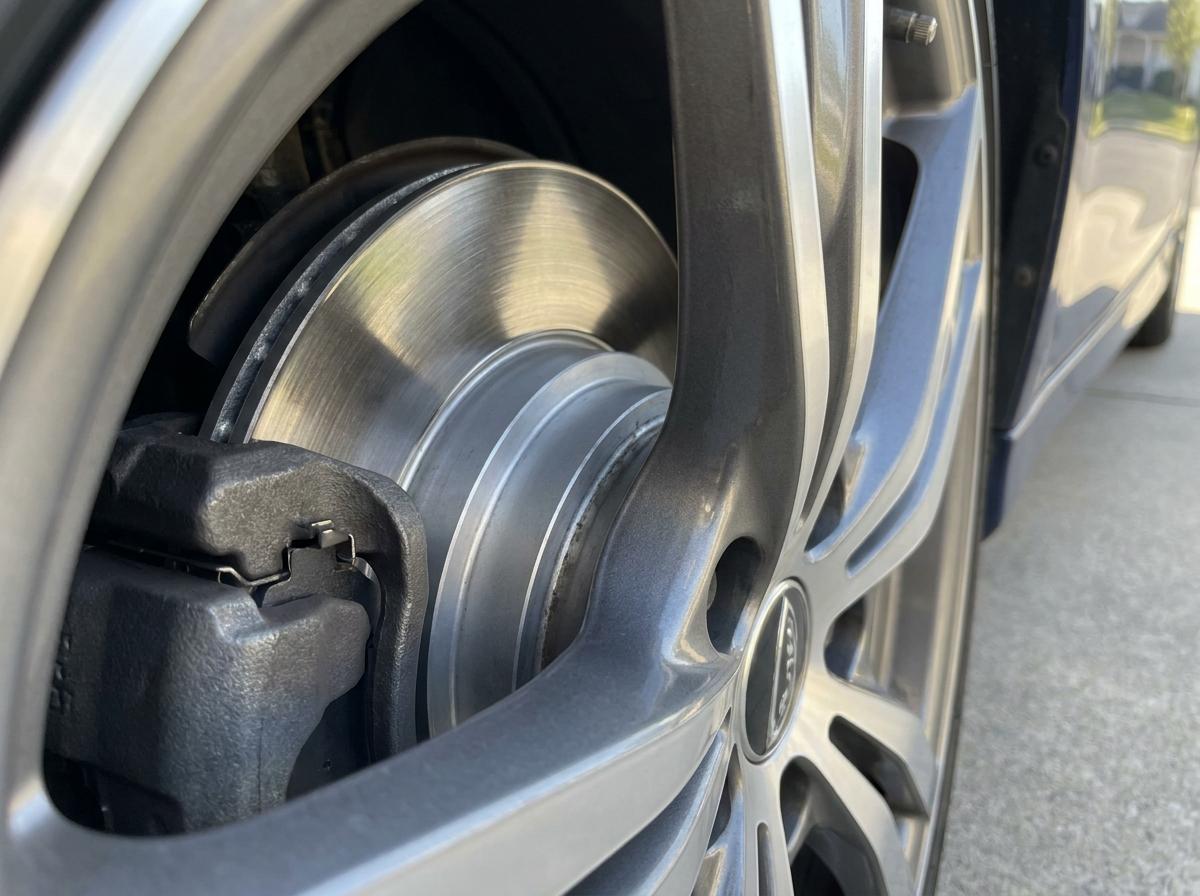
| It reduces wear on your friction brakes. Because regenerative braking handles the bulk of everyday slowing, your conventional brake pads and rotors are used far less than in a petrol car. Many EV owners report getting 80,000–100,000km or more from a single set of brake pads, a genuine cost saving over the life of the vehicle. |
 |
It's safer and more predictable than it sounds. Regenerative braking doesn't replace your friction brakes, it works alongside them. For hard stops or emergency braking, the conventional hydraulic brakes still engage fully. Regen simply handles the gentle, everyday slowing that makes up most of normal driving.
When regenerative braking is most, and least effective
|
Most effective: Stop-and-go city driving, where you're constantly slowing down and speeding up. Rolling, hilly terrain with long descents, where regen can recover a meaningful amount of the energy spent climbing. Driving in traffic, where frequent deceleration gives the system plenty of opportunity to work.
Least effective: Steady-speed motorway cruising, where there's little braking happening at all. Long flat stretches, where there's minimal opportunity for energy recovery either through regen or through coasting downhill.
|
 |
It's worth setting realistic expectations here, regenerative braking is a genuinely useful efficiency feature, not a way to generate free, unlimited range. It can only recover a portion of the energy you already spent accelerating or climbing in the first place; it doesn't create new energy from nothing.
Does regenerative braking affect battery health?
Generally, no, and if anything, the gentler, more gradual charging current generated by regenerative braking is easier on the battery than the rapid current delivered by a public DC fast charger. The main thing to be aware of as an EV owner is that because your friction brakes are used less often, the brake rotors can develop light surface corrosion from underuse, particularly in damp or coastal conditions. This is a normal characteristic of EV ownership rather than a fault, and it's one of the reasons brake fluid still needs replacing on schedule even though the pads themselves see far less wear.
A quick note for used EV buyers
If you're considering a used EV, it's worth test-driving with attention to how the regenerative braking is tuned, different manufacturers calibrate it quite differently, from very subtle to quite aggressive one-pedal-driving feel. There's no right answer here; it comes down to personal preference, and many vehicles let you adjust the intensity to suit your taste once you're behind the wheel.
The bottom line
Regenerative braking is one of those EV features that sounds complicated until you actually understand it, at which point it becomes refreshingly simple. Your motor becomes a generator when you slow down, the energy that would otherwise be wasted as heat gets banked back into your battery, and your brake pads last dramatically longer as a result. It won't double your range, but it's a genuinely useful piece of engineering that makes everyday driving a little more efficient, for free, every single time you lift off the accelerator.
Curious about other ways to get more range from your EV? Read our guide on getting the best range from your electric vehicle, or get in touch with our team if you have questions about a specific model.
Disclaimer
The content in this post is based on our own research, experience, and opinion and is intended for general informational purposes only. It does not constitute professional technical advice. While we strive for accuracy, the specific efficiency figures and range benefits referenced can vary significantly between vehicle makes, models, and driving conditions. We encourage readers to conduct their own research and consult their vehicle's manufacturer documentation for model-specific guidance.
Last updated: June 2026