A quick, practical 5-point checklist to get your car winter-ready in New Zealand. Covers tyres, battery, wipers and washer, lights, and fluids. Based on NZTA, AA and MTA guidance.
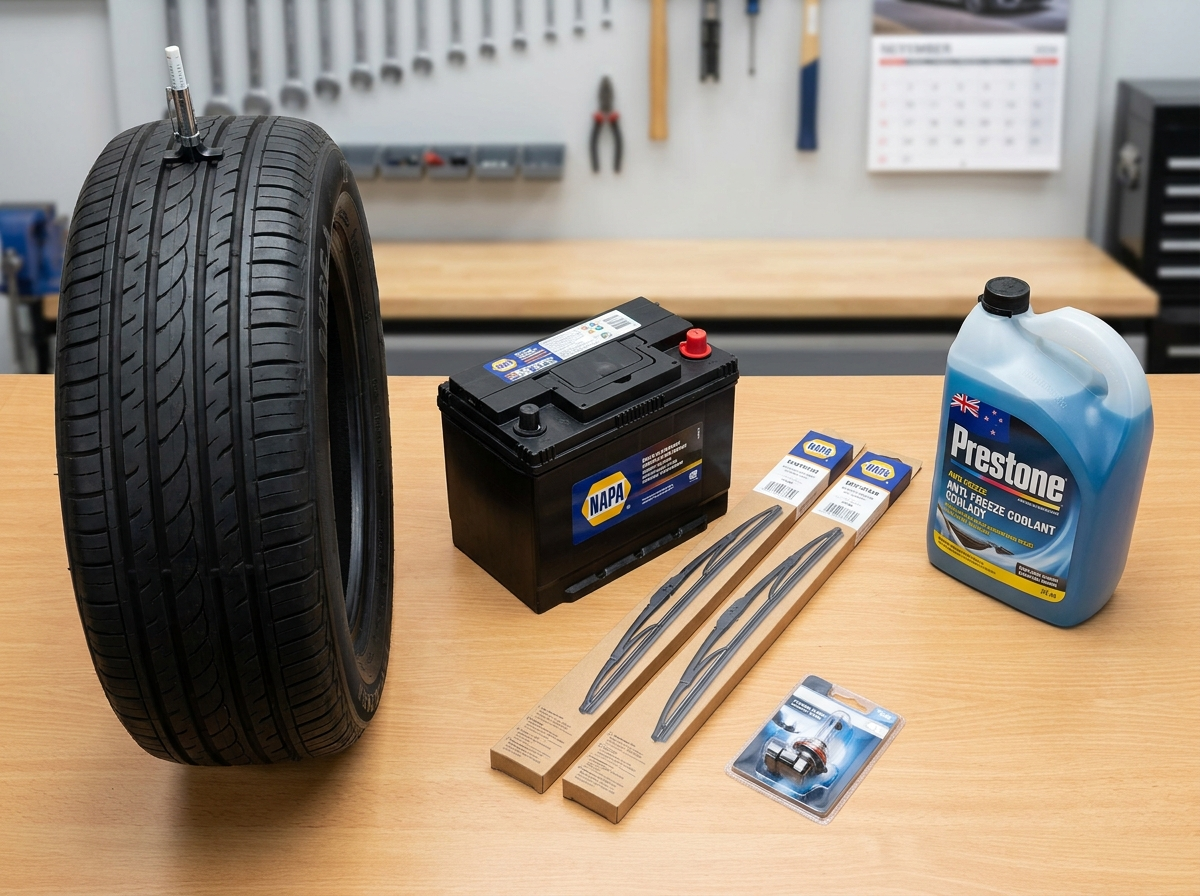
New Zealand winters have a way of exposing whatever's already a little weak in your car. A battery that was borderline in autumn fails on the first cold morning. Wiper blades that were merely annoying become genuinely dangerous in driving rain. Tyres that were fine in the dry lose their grip on a wet, greasy road.
The fix is simple: a quick pre-winter check of five key areas. Winter is a time when problems or weaknesses in your vehicle tend to flare up, but good preparation goes a long way toward making sure you get where you're going safely. Here's the five-point checklist, based on guidance from NZTA, the AA, and the MTA.
1. Tyres, your only contact with the road
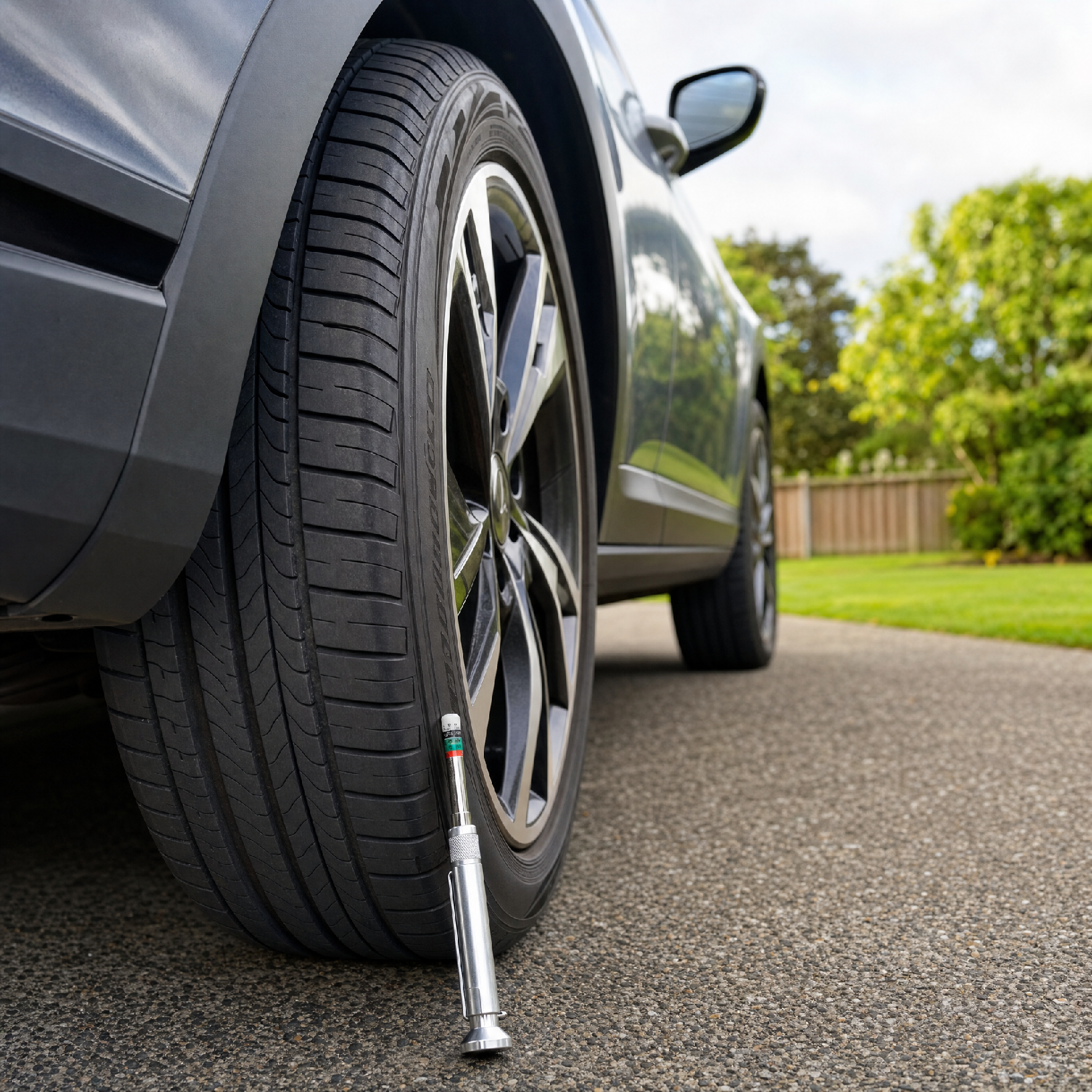
Everything your car does, whether accelerating, braking, or steering, happens through four small patches of rubber where the tyres meet the road. In winter, those patches matter more than ever.
Check tread depth. The legal minimum for a WOF in New Zealand is 1.5mm, but that's a bare minimum rather than a safe winter target. Wet-weather grip degrades well before you reach the legal limit, so if your tyres are below 3mm it's worth considering replacement. If you're in a hilly or rural area, all-weather tyres can provide better performance through the colder months. More tread means better water clearance and shorter stopping distances on wet roads.
Check tyre pressure. Cold air contracts, so tyre pressures naturally drop as temperatures fall, and underinflated tyres reduce grip, wear faster, and make the car harder to handle. Check pressure when your car is cold, before the tyres have expanded from use, and inflate to the recommended pressure. You'll usually find this on the tyre information label on the driver's door jamb, in the glovebox, or in the vehicle handbook.
Heading to the snow? If you regularly drive in snow or ice, consider proper winter tyres or carry chains. One point on the law here: if you fit winter tyres, all tyres on the vehicle must be winter tyres.
2. Battery, the most common winter breakdown
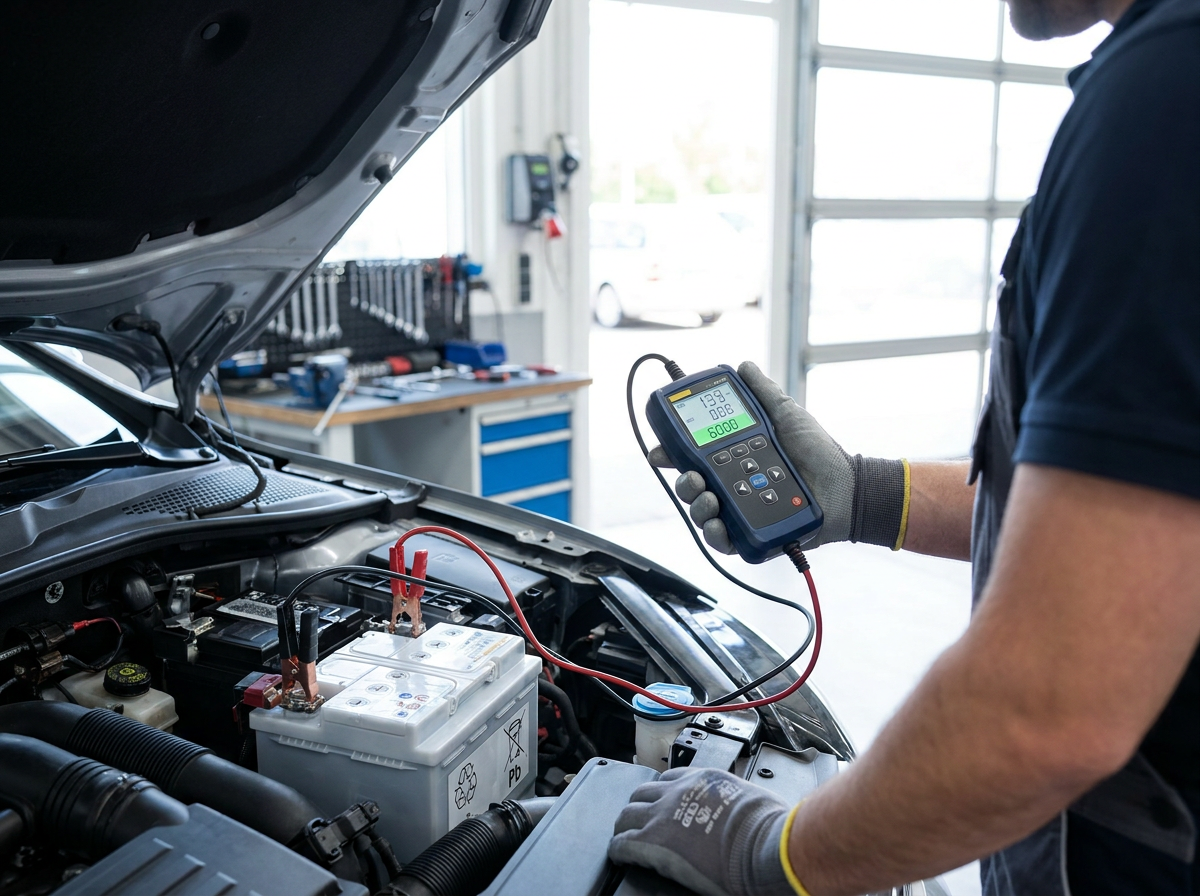
Cold weather is hard on batteries, and a winter breakdown almost always seems to happen at the worst possible moment.
The problem is twofold. Cold reduces a battery's ability to deliver power, while winter simultaneously increases the demands placed on it, with heaters, lights, and demisters all running at once. That combination is what pushes a tired battery over the edge.
Watch for the warning signs. If your car is feeling sluggish to start, or you can see corrosion around the battery terminals, that's a sign the battery may not be working as well as it should. A slow, labouring crank on a cold morning is the classic early warning.
Get it tested. A battery test is quick and often free at workshops, and it takes the guesswork out. If your battery is over three years old or showing signs of fatigue, it could be time to replace it before it lets you down.
A few habits help too. Keeping your battery fully charged means a longer lifespan and better performance, so start and drive your car regularly, and park in a garage if you can. Keeping a set of jump leads in the boot is a smart, cheap precaution.
3. Wipers and washer fluid, because you can't drive what you can't see
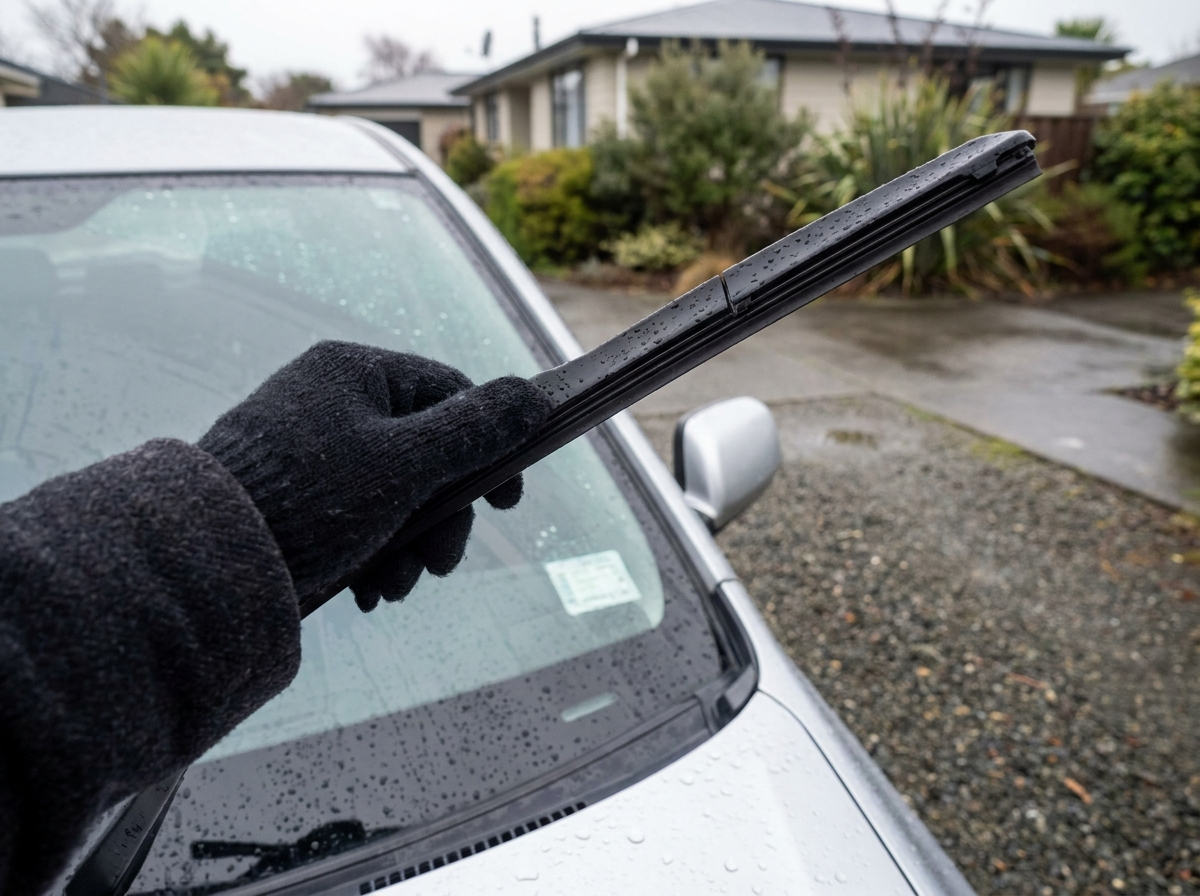
Winter means rain, mist, road spray, and frosty mornings, all of which put your wipers and washers to work constantly. Worn blades that were a minor irritation in summer become a genuine safety hazard when you're driving into low winter sun or heavy rain.
Check your blades. If your wiper blades are over 12 months old, it's worth getting them checked. The tell-tale signs are streaking, smearing, or squeaking, and the general guidance is to replace blades every 6 to 12 months, or sooner if you notice any of those symptoms. Worn blades smear rather than clear, which is exactly what you don't want in a downpour.
Top up your washer fluid, and use the right stuff. You'll get through far more washer fluid in winter clearing road grime and salt spray. Use a proper washer additive rather than plain water, and in very cold areas choose a product that won't freeze overnight.
Clean the glass properly, inside and out. A greasy interior windscreen causes terrible glare in low winter sun. Give all your glass a proper clean so you can see clearly out of every window and mirror.
4. Lights, to see and be seen through the gloom
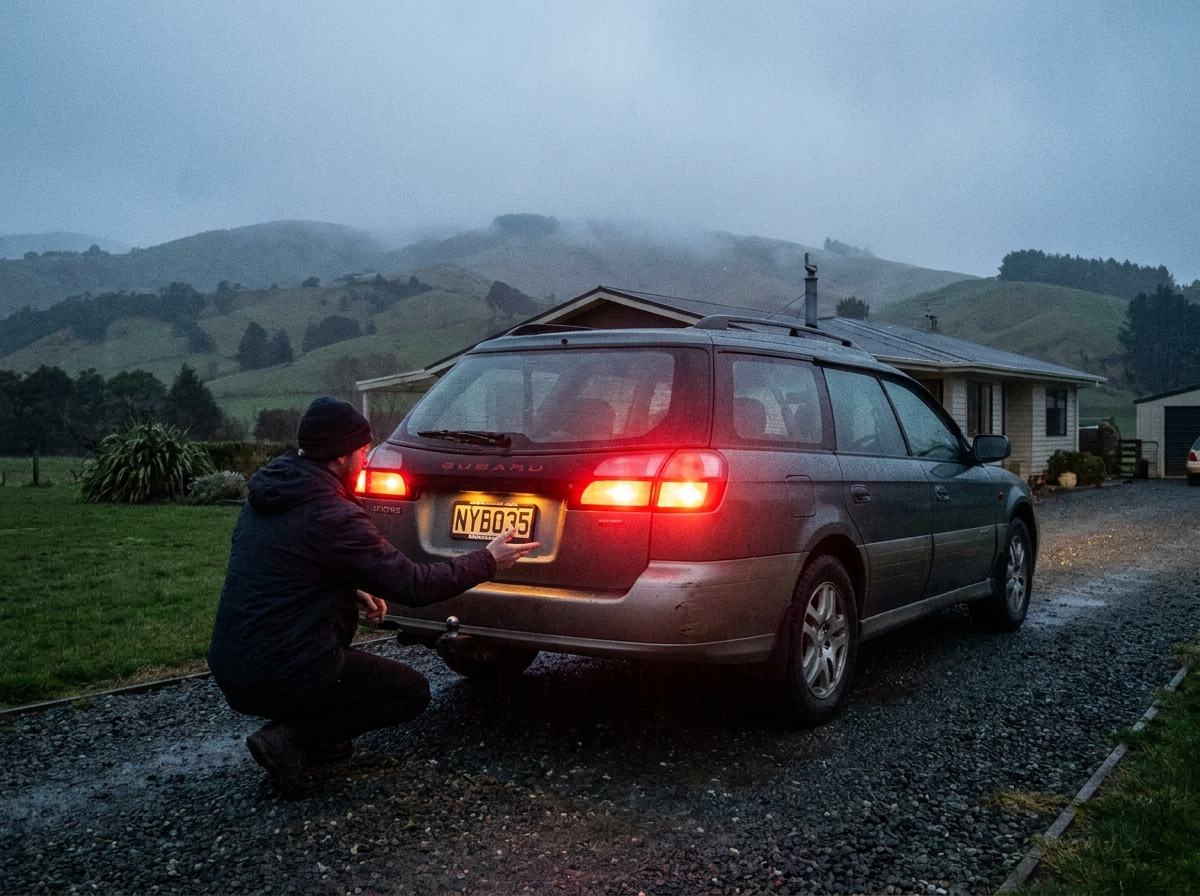
Winter days are short and often gloomy, which means your lights get far more use, and any that aren't working leave you both less able to see and less visible to others.
Check every light. A quick walk-around covers it. Turn your hazard lights on and walk around the car to confirm all indicators are flashing, then check your headlights, reversing lights, and brake lights. A handy trick for the brake and reversing lights is to back up close to a wall and watch the reflection in your rear-view mirror.
Don't forget brake lights and indicators in the check, not just headlights. A blown brake light is invisible to you from the driver's seat but critically important to the driver behind you on a wet, low-visibility road.
Clean your lights too. Winter road grime builds up on light lenses and cuts their output noticeably. A quick wipe of your headlights and tail lights keeps them doing their job.
5. Fluids and a pre-winter service, the finishing check
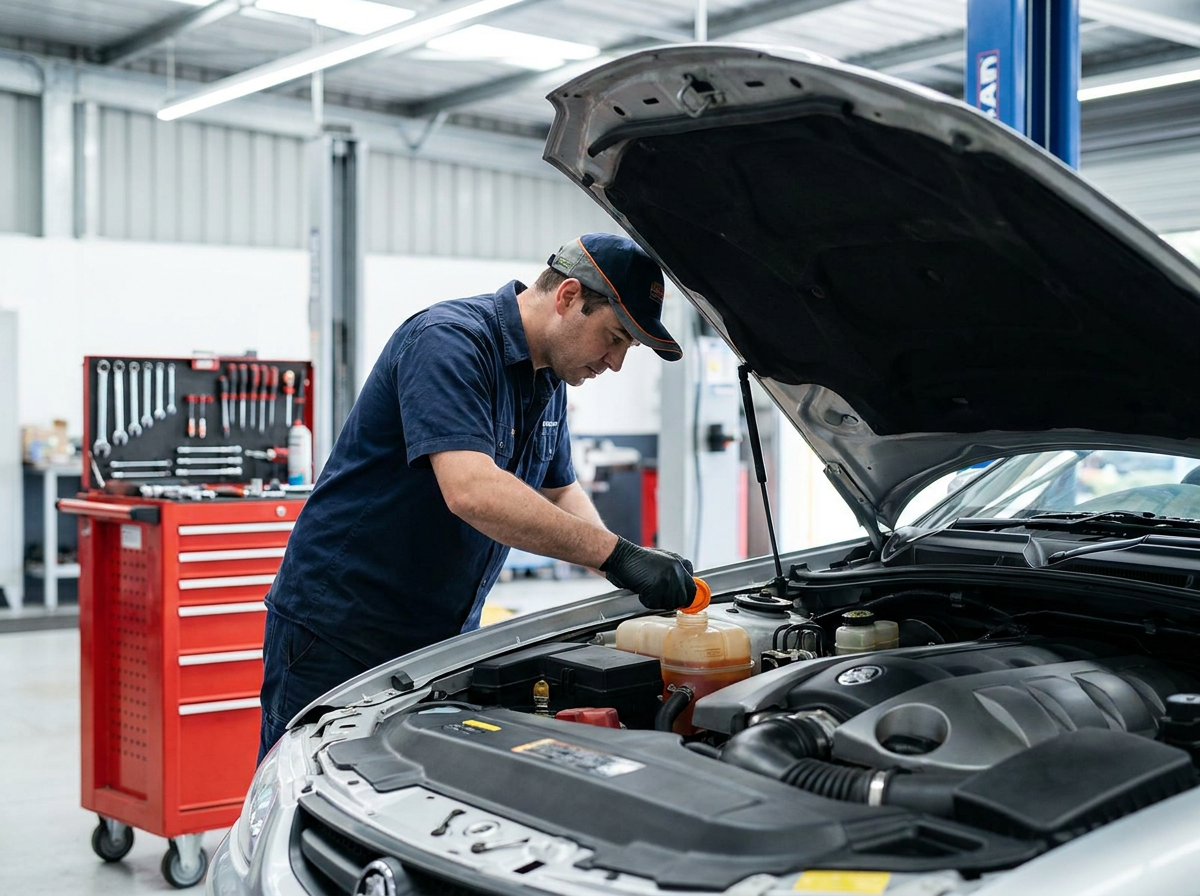
The final check covers the fluids that keep everything running smoothly through the cold, plus the option that ties it all together: a pre-winter service.
Check your coolant and antifreeze. This genuinely matters in areas that get sub-zero temperatures, because fluids can freeze and your radiator antifreeze concentration needs to be up to scratch. The coolant does double duty, preventing your engine from freezing in winter and overheating year-round, so the correct concentration is important.
Top up the essentials. Check your car's fluid levels and top up coolant and windscreen washer liquid. While you're at it, a glance at oil and brake fluid levels never hurts.
Consider a pre-winter service. The simplest way to tick off this entire checklist is to let a professional do it. Book your car in for a pre-winter service and ask for new wiper blades, a thorough check of tyre tread and pressure, and a battery test. The experts know what to look for, and a health check gives you peace of mind that your vehicle is ready for New Zealand's winter roads. Our GVI Service Center team are here to help, call 09 579 6083 or click here to make a booking online
Keep a few essentials in the car. An ice scraper in the glovebox for frosty mornings, and on longer or remote trips, warm clothing, a blanket, snacks, water, and a first aid kit. It's cheap insurance against being caught out.
Your quick winter checklist
Before winter really bites, run through these five:
- Tyres. Tread depth, aiming for 3mm or more rather than just the 1.5mm legal minimum, plus correct cold pressures.
- Battery. Tested and healthy, especially if it's over 3 years old, with jump leads in the boot.
- Wipers and washer. Blades under 12 months and streak-free, reservoir topped up with a proper additive.
- Lights. Every light working and clean, including brake lights and indicators.
- Fluids and service. Coolant and antifreeze correct, fluids topped up, and ideally a pre-winter service booked.
Ten minutes of checking now can save you a miserable breakdown, or worse, on a cold, wet New Zealand road later.
The bottom line
Getting your car winter-ready isn't complicated or expensive. It's a handful of simple checks that dramatically reduce your chances of a winter breakdown or a preventable accident. Do them yourself in an afternoon, or book a pre-winter service and let a professional handle the lot.
And once your car is sorted, make sure your driving is too. Read our companion guide, the 5 best tips for winter driving in New Zealand, to stay safe once you're out on the road.
Disclaimer
The content in this post is based on our own research and guidance published by NZTA, the AA, and the MTA, and is intended for general informational purposes only. It does not constitute professional mechanical or safety advice. Specific requirements and recommendations vary by vehicle. For anything you're unsure about, consult a qualified MTA-member workshop, and always ensure your vehicle meets current New Zealand WOF and legal requirements.
Target keywords: winter car checklist NZ, prepare car for winter New Zealand, winter car safety check, get car winter ready NZ